
sandblasted glass designs for doors
Understanding the Use of Thread Ring Gauges for Inspection Thread ring gauges are essential tools in the field of manufacturing and engineering, particularly when it comes to the inspection and verification of threaded components. These gauges are designed to check the accuracy and quality of internal threads on various types of fasteners, ensuring that they meet the required specifications. The proper use of thread ring gauges can significantly enhance product reliability and performance, making them a critical aspect of quality management in industries such as automotive, aerospace, and construction. What is a Thread Ring Gauge? A thread ring gauge is a cylindrical tool made of high-quality steel or other durable materials. It features an internal thread profile that is precisely machined to match the specifications of the standard thread sizes (for example, UNC, UNF, etc.). The main function of this gauge is to check the dimensions and overall quality of the threaded parts. Thread ring gauges can be classified into two main categories 1. Go Gauges These gauges are designed to verify that the threaded part’s dimensions are within acceptable limits. If the part can successfully engage with the Go gauge, it indicates that the major and minor diameters, as well as the pitch diameter, are acceptable. 2. No-Go Gauges In contrast, No-Go gauges are designed to ensure that the thread profile is not oversized. If the part fits on this gauge, it indicates that the dimensions are out of tolerance, and the component should be rejected. Importance of Thread Ring Gauges The use of thread ring gauges is crucial for several reasons 1. Quality Control By utilizing these gauges, manufacturers can maintain consistent quality in their production processes. They enable quick and accurate inspection of threaded components, ensuring that they meet the specified tolerances. 2. Cost Efficiency Detecting defects early in the manufacturing process can save significant costs . Thread ring gauges help reduce the risk of producing defective parts that may lead to costly rework or failures in the field. thread ring gauge is used for checking 3. Safety In critical applications like aerospace and automotive components, ensuring the integrity of threaded parts is essential for safety. Faulty threads can lead to catastrophic failures, which can be mitigated by regular inspection using ring gauges. 4. Standardization Thread ring gauges adhere to industry standards, promoting uniformity in threaded components across different manufacturers. This is especially important in global markets where components from various sources must fit together seamlessly. How to Use a Thread Ring Gauge Using a thread ring gauge is relatively straightforward, but it requires precision and attention to detail 1. Clean the Component Before testing, ensure that the threaded part is clean and free of debris, as contaminants can affect the gauge's accuracy. 2. Inspect with Go Gauge First, attempt to fit the Go gauge onto the threaded component. It should screw on smoothly without excessive force. If it fits well, it indicates that the part meets the basic requirements. 3. Inspect with No-Go Gauge Next, use the No-Go gauge. This gauge should not fit onto the threaded part. If it can be screwed onto the component, it signifies that the part exceeds the maximum tolerance limits and should be rejected. 4. Record Measurements After performing the inspections, it's important to record the findings for quality control documentation. This helps in tracking production performance over time. Conclusion In conclusion, thread ring gauges play a vital role in the quality assurance process in manufacturing. Their ability to quickly and accurately assess the integrity of threaded components ensures that products meet industry standards and customer expectations. By integrating the use of thread ring gauges into routine inspections, manufacturers can enhance product quality, improve safety, and achieve greater operational efficiency.
about
sandblasted glass designs for doors
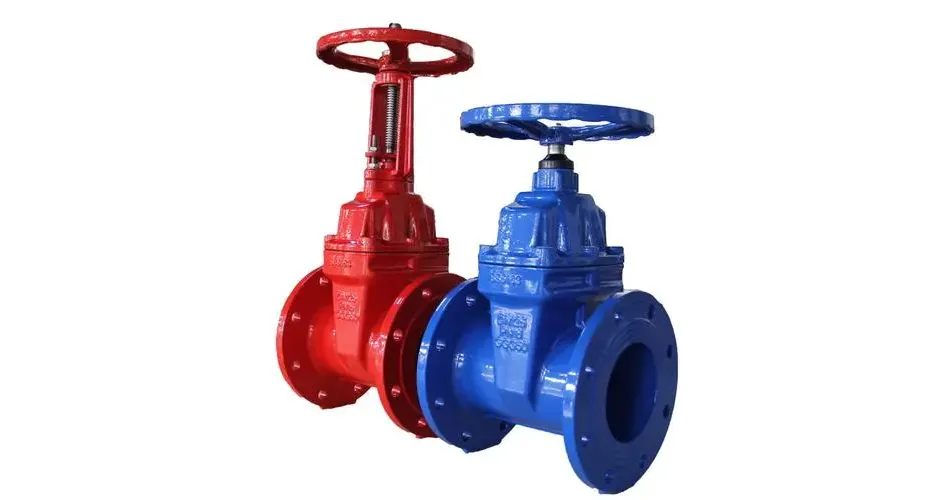
How to Turn Off a Water Valve A Step-by-Step Guide Turning off a water valve is a crucial skill for homeowners and renters alike. Whether you are addressing a plumbing issue, conducting repairs, or preparing for a winter season, knowing how to properly shut off your water supply can save you from costly damages and ensure a safe living environment. In this guide, we will walk you through the steps to turn off your water valve effectively. Step 1 Locate the Water Valve The first step in turning off your water supply is to locate the main water valve. This valve is typically found near where the water line enters your home. Common locations include - Basement or Crawl Space If your home has a basement, the main water valve is often located there. - Outside In some houses, the water valve can be found on an exterior wall or in an underground valve box close to the street. - Near the Water Heater Sometimes, the main valve is situated near the hot water heater. Tip If you have trouble locating the valve, follow the main water line from the municipal connection into your home. Step 2 Identify the Type of Valve Water valves come in different types, and it's essential to know which type you are dealing with to proceed correctly. The most common types include - Gate Valve This type features a round handle that you turn clockwise to close the valve. - Ball Valve Look for a lever or handle. For a ball valve, you typically turn the lever 90 degrees to shut it off. - Compression Valve This valve has a round handle that you will turn clockwise to shut off the water. Step 3 Turn Off the Valve Now that you have located your valve and identified its type, it’s time to turn it off . - For Gate Valves Turn the handle clockwise until it can’t turn anymore. This may take several rotations. - For Ball Valves Turn the lever perpendicular to the pipe to shut off the valve. - For Compression Valves Turn the handle clockwise until firmly closed. how to turn off water valve Step 4 Test the Valve After turning off the valve, it is wise to check and ensure that the water supply has been effectively cut off. To do this 1. Turn on a faucet in your home, ideally one on the same level as the valve, and observe if water is still running. 2. If there is no water flow, congratulations! You have successfully turned off the water supply. Step 5 Drain the Pipes (if necessary) If you are planning a significant plumbing project or leaving your home for an extended period, it may be beneficial to drain the pipes. Here’s how to do it 1. Open the faucets in your home to allow any remaining water to escape. 2. Flush the toilets to empty the tanks. 3. You may also want to drain the water heater to prevent any issues during your absence. Step 6 Turn the Water Back On Once your repairs or maintenance tasks are complete, you will need to turn the water back on. To do this, follow the same steps in reverse 1. Locate the water valve. 2. Identify the type of valve. 3. Turn the valve counterclockwise for gate and compression valves, or switch the lever back to parallel for ball valves. 4. Turn on a faucet to let air out of the pipes and check for leaks. Conclusion Knowing how to turn off the water valve is an essential skill that can help you manage plumbing issues effectively. Whether you are handling a minor leak or shutting off the water for repairs, following these steps ensures you do it safely and efficiently. Always remember to locate the valve in advance, familiarize yourself with its type, and take the necessary precautions to protect your home from water damage. Taking these steps can empower you to handle plumbing concerns with confidence.
-

High quality industrial productsagement

High quality industrial products
View Details -

Meet the diverse needs of customers

Meet the diverse needs of customers
View Details -

Strict quality control

Strict quality control
View Details -

Top raw materials

Top raw materials
View Details -

Trusted supplier

Trusted supplier
View Details
Our application

news and information
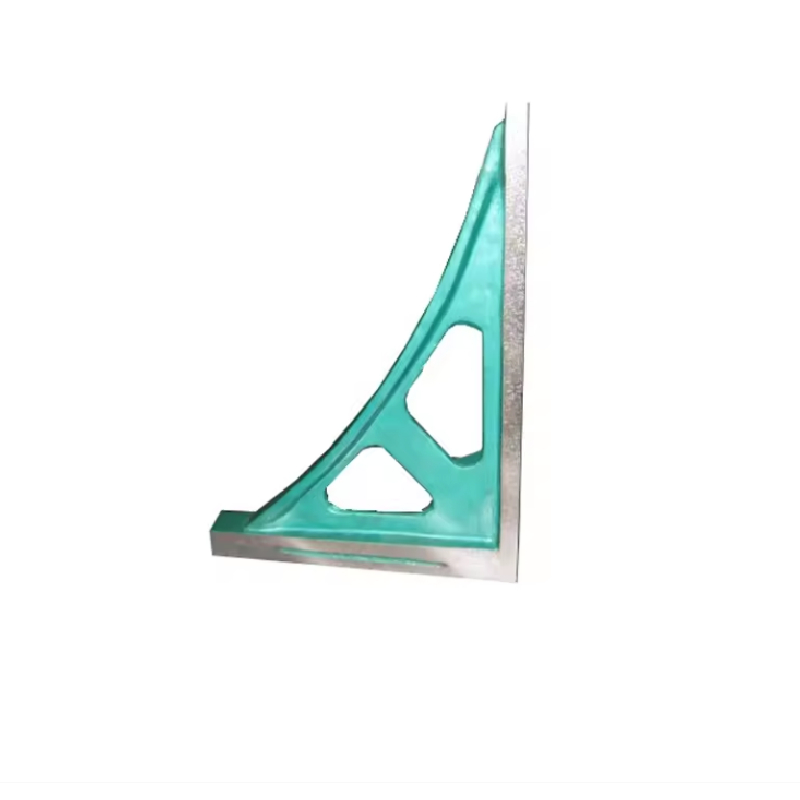
which way turn water valve off
How to Turn Off a Water Valve A Step-by-Step Guide Understanding how to turn off a water valve is an
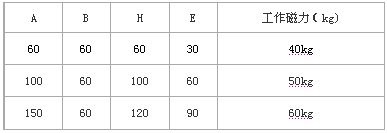
Y Type Strainer Cleaning Procedures
In industrial fluid systems, Y type strainers are essential components that effectively filter out i
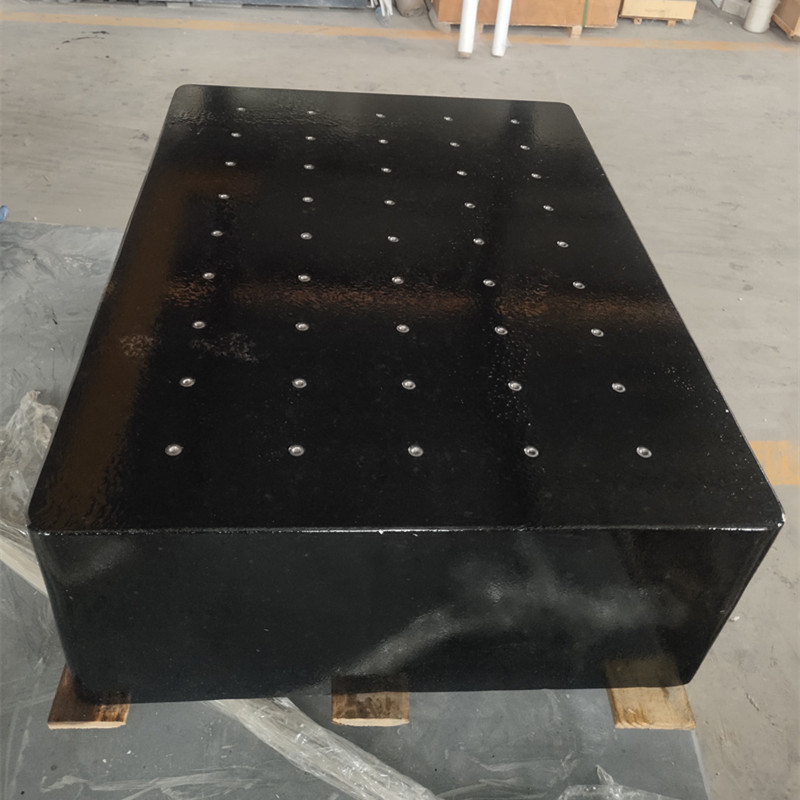
Válvula de retención 8an y su importancia en sistemas hidráulicos.
8an check valve .
 English